New Build Hydroseeding - Soil Prep to Seed on a Fresh Lawn

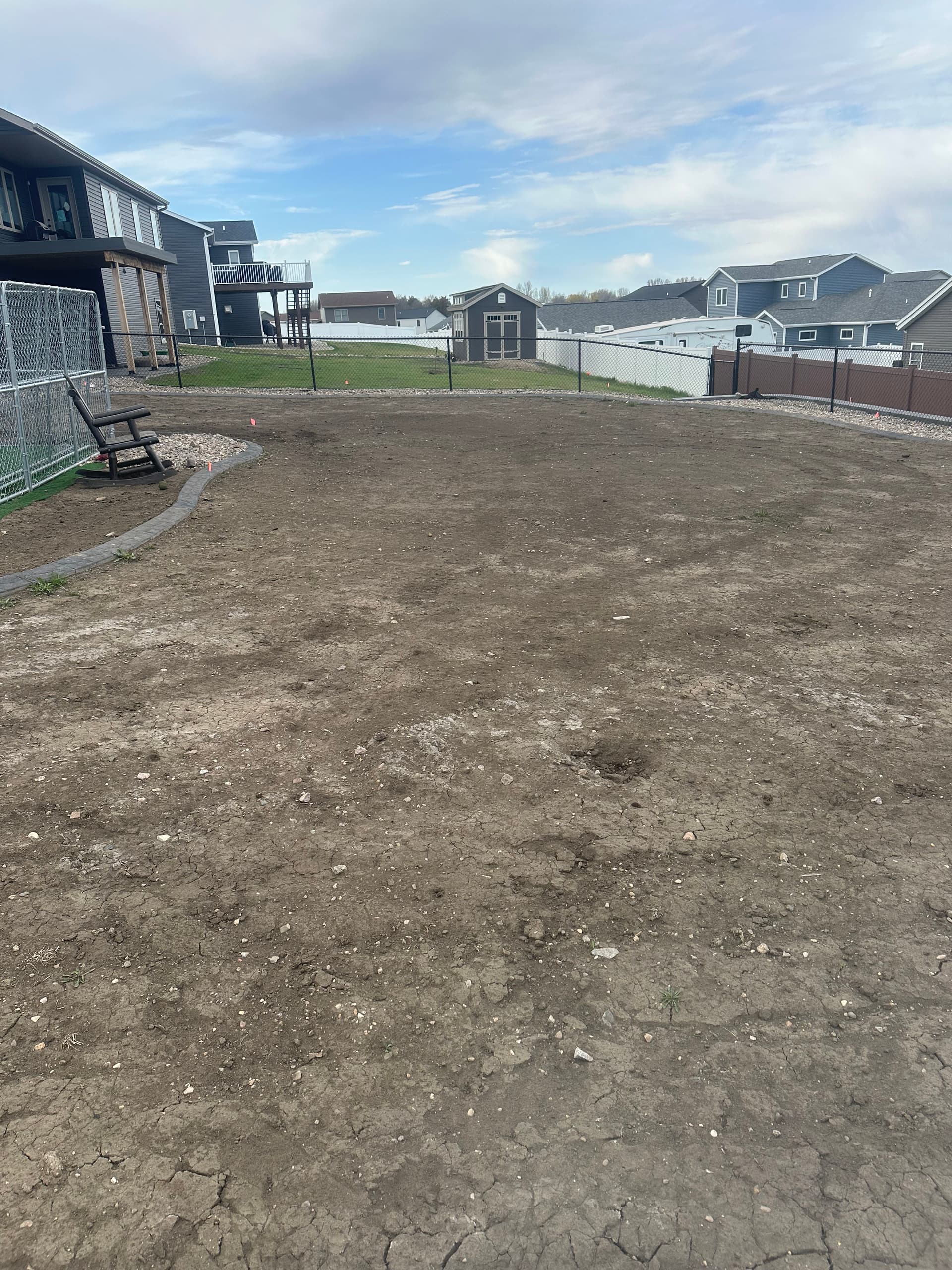

When a new build wraps up, the yard is usually the last thing on the list - and the roughest part to deal with. Compacted soil, construction debris, uneven ground. It's not exactly a welcoming canvas. That's exactly where we come in.
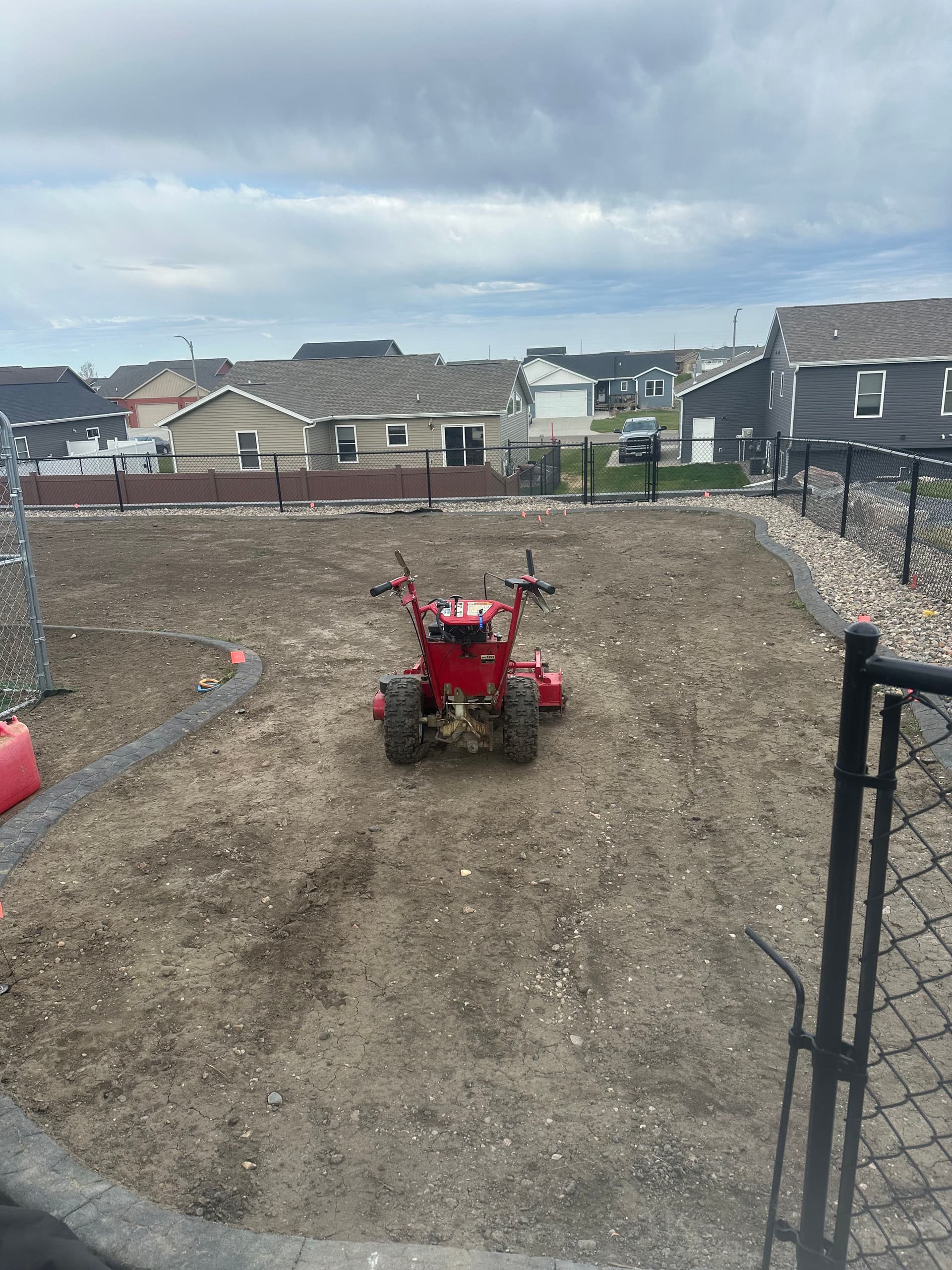
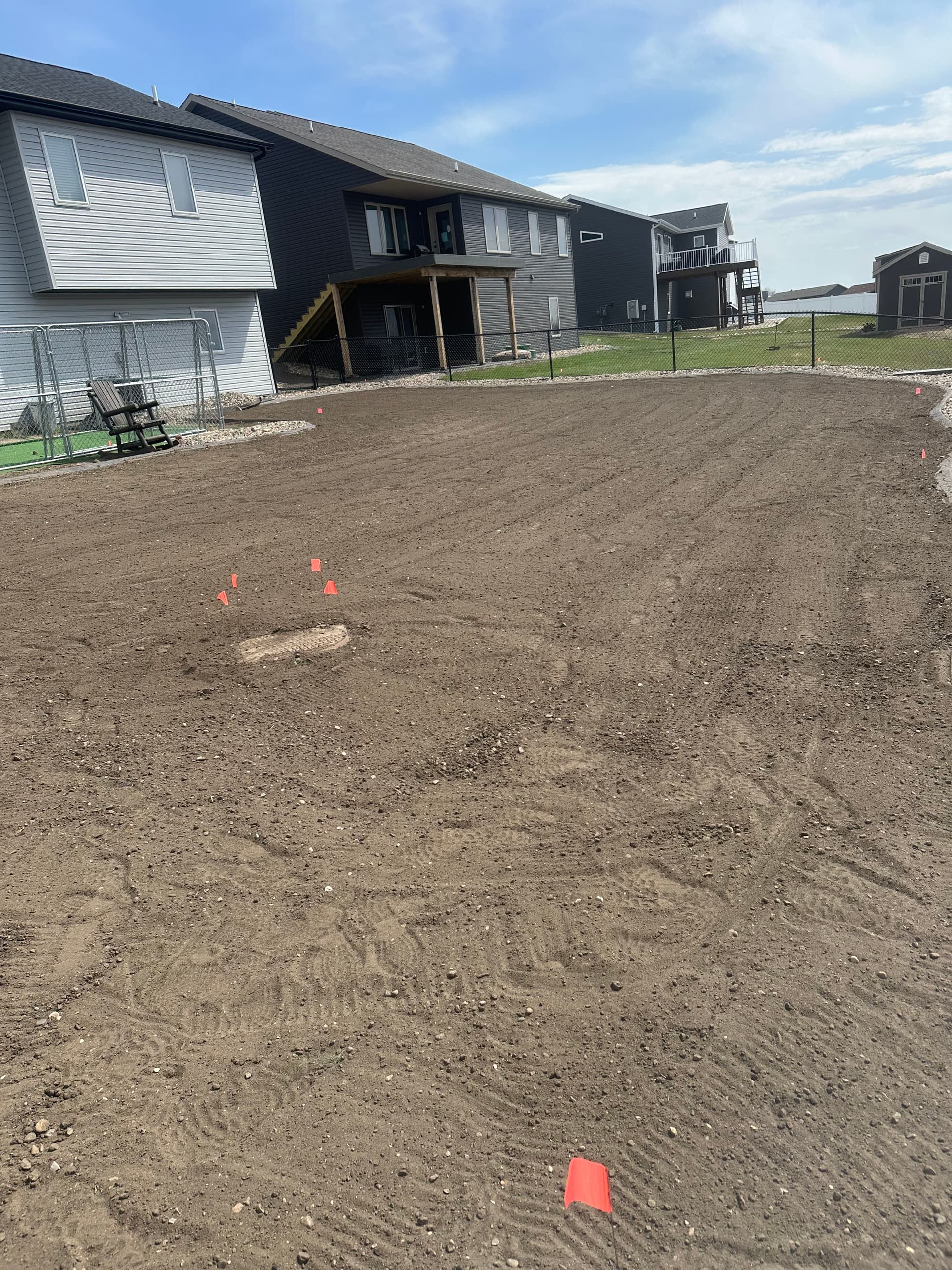
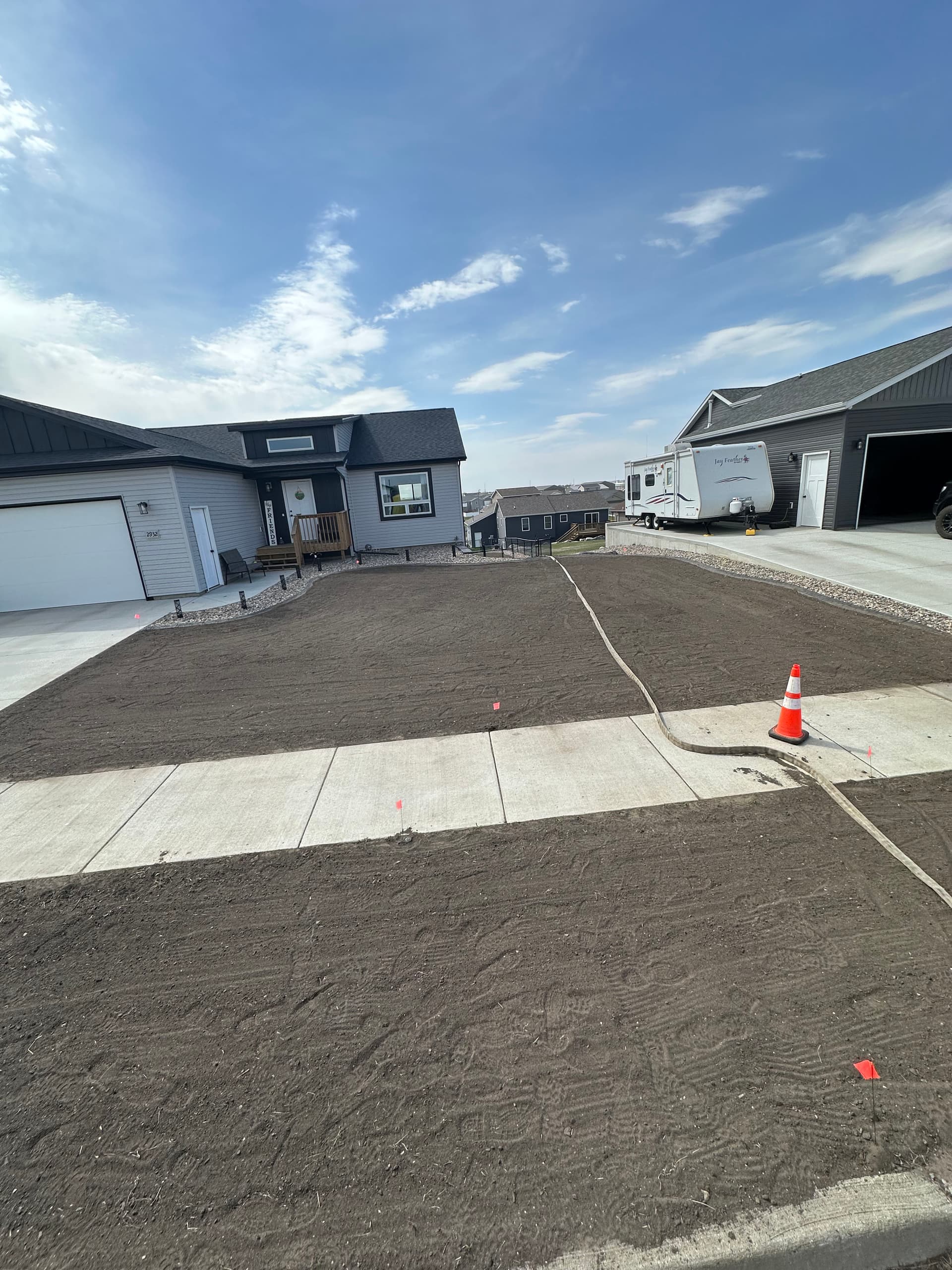
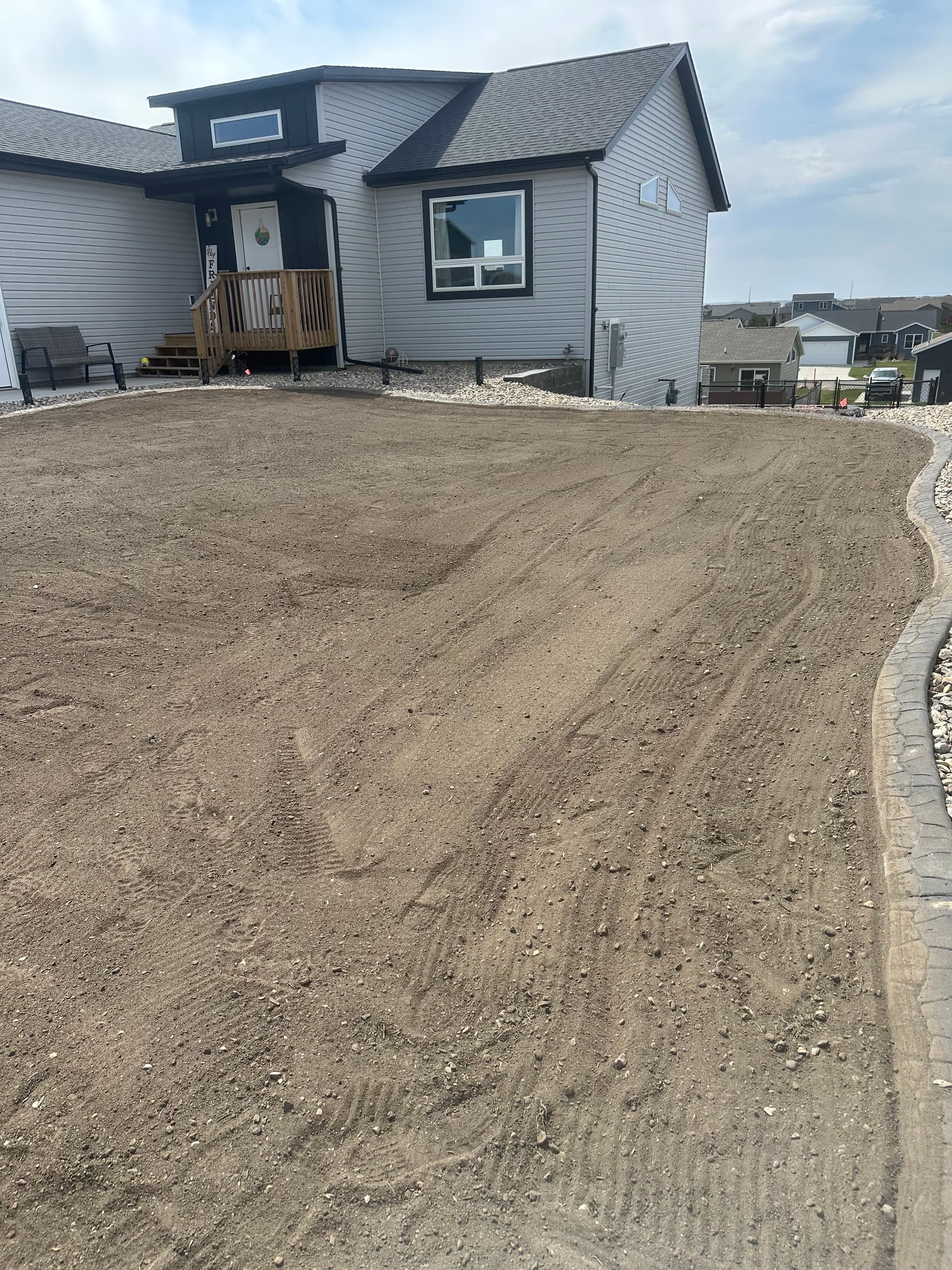
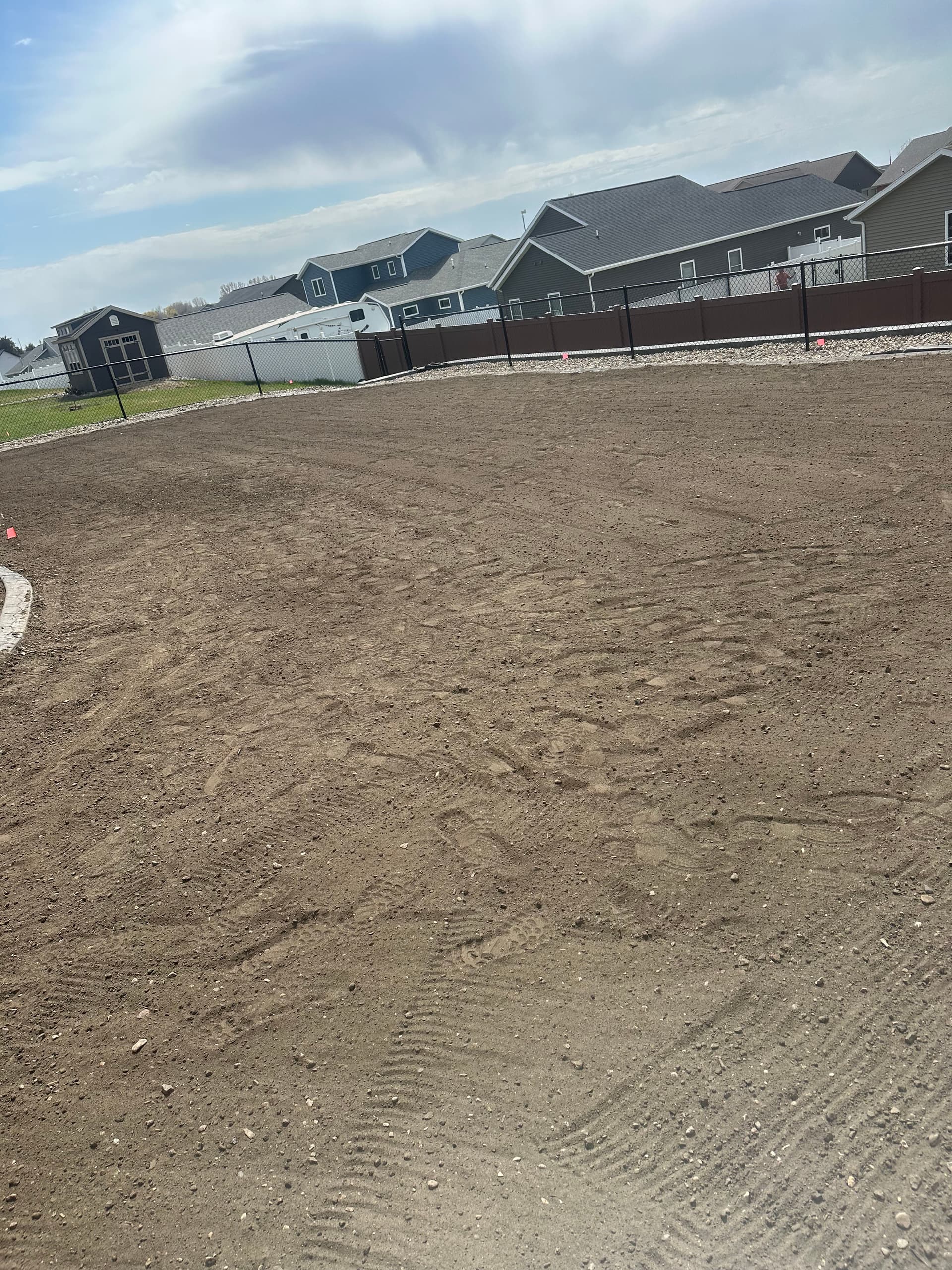
Before any seed touches the ground, we work the soil. We use a walk-behind tiller to break up and loosen compacted dirt across the entire yard - front and back. That step matters more than most people realize. Loose, prepared soil is what allows seed to make good contact and actually take root. Skip it, and you're just throwing seed on a hard surface and hoping for the best.
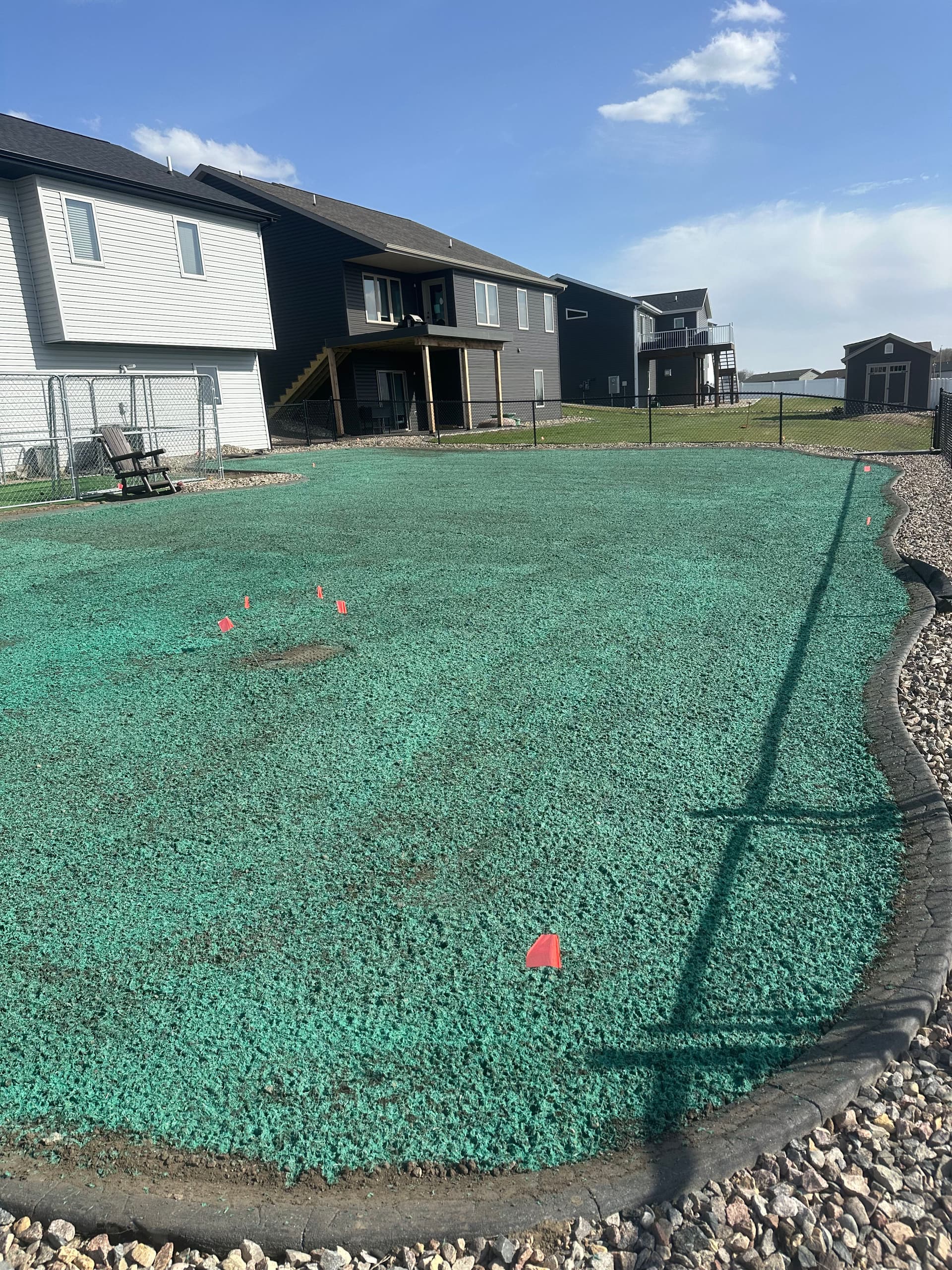
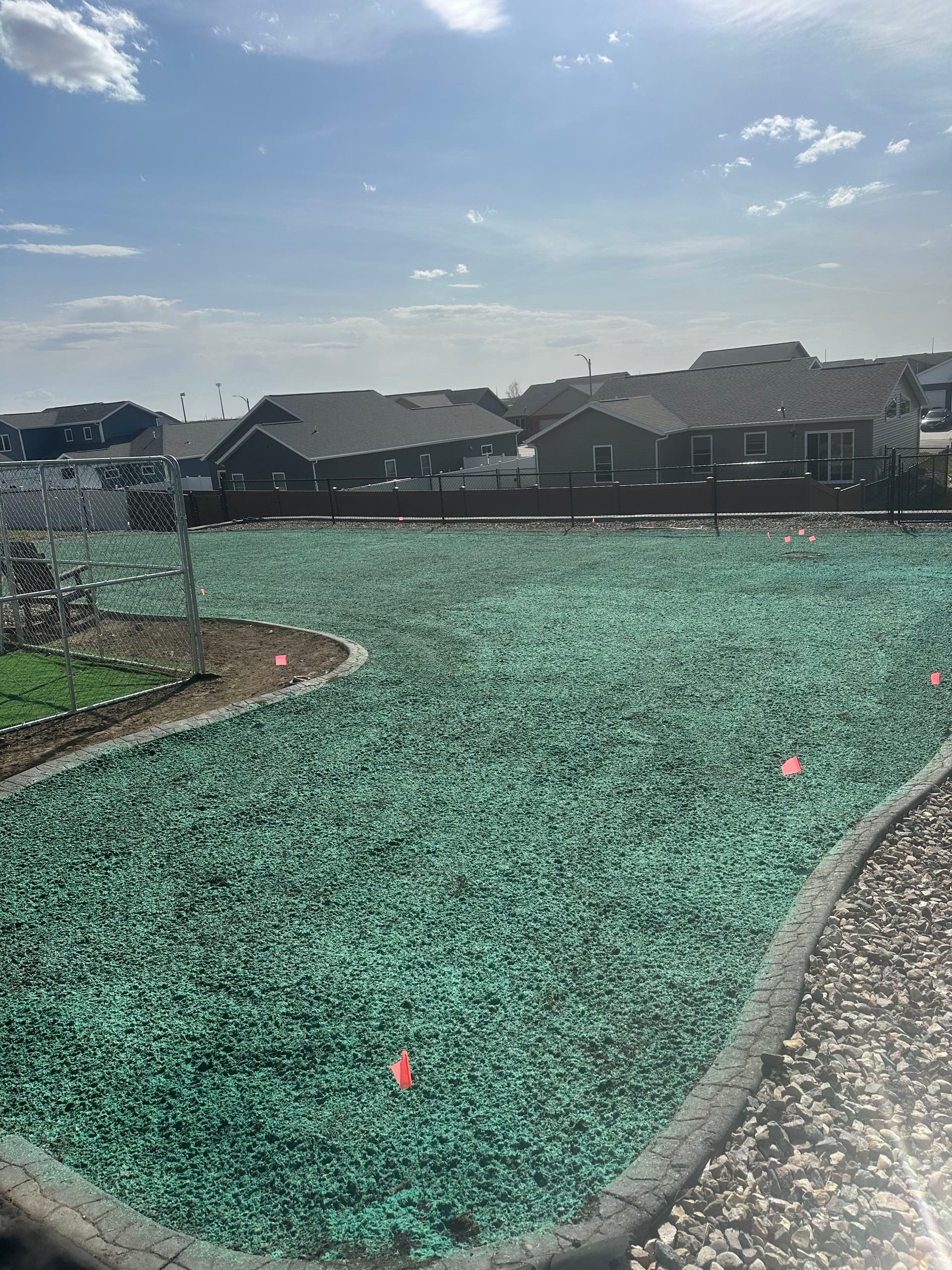
Once the ground is prepped and graded out smooth, we apply the hydroseed slurry. That teal-green coating you see is the mulch-and-seed mixture - it goes on evenly and blankets the entire area, right up to the borders. It holds moisture against the seed, protects it from wind, and gives it the best possible shot at germinating strong and consistent across the whole yard.
Hydroseeding is one of the most cost-effective ways to establish a lawn on a new build. You get better coverage than hand-seeding, without the price tag of sod. The mulch layer does a lot of the heavy lifting early on - keeping the seed in place and locking in the moisture it needs to sprout. For large areas like this, it's the method that makes the most sense.
If your new build is getting close to done and the yard is still bare dirt, now is a great time to get things moving. Proper soil prep followed by hydroseeding gives new grass the foundation it needs to come in full, even, and healthy.